WordPress and legacy migrations
Rebuild brittle CMS, plugin-heavy, or legacy websites as fast Next.js applications while preserving SEO-critical content, URLs, forms, and editing workflows.
Book a discovery call- Engagement
- Estimated after discovery
- Timeline
- 1-2 weeks
When this is the right step
Your WordPress site is costing you every day
Plugin subscriptions, managed hosting, developer bills for routine updates. Add it up and your WordPress site costs more per year than rebuilding it once in Next.js.
Slow speed is killing your conversions
Run your own site through PageSpeed Insights. If you're on WordPress, you already know what the score looks like. Every second of load time costs you visitors who will never come back.
Security patches are a full-time job
Another week, another plugin update. Another security advisory you're not sure applies to you. Static sites built in Next.js don't have a plugin layer to exploit.
The Approach
A full audit of your WordPress site comes first: every page, plugin, redirect, and SEO signal. Then the site is rebuilt in Next.js with static generation, preserving your content and branding while reducing the maintenance overhead. Redirects are mapped, metadata is preserved, and rankings are monitored after launch.
The Outcome
A site that loads quickly, targets 90+ on PageSpeed, and requires much less maintenance. No more constant plugin updates, recurring security patches, or hosting fees that creep up every year. Your content stays exactly where Google expects it.

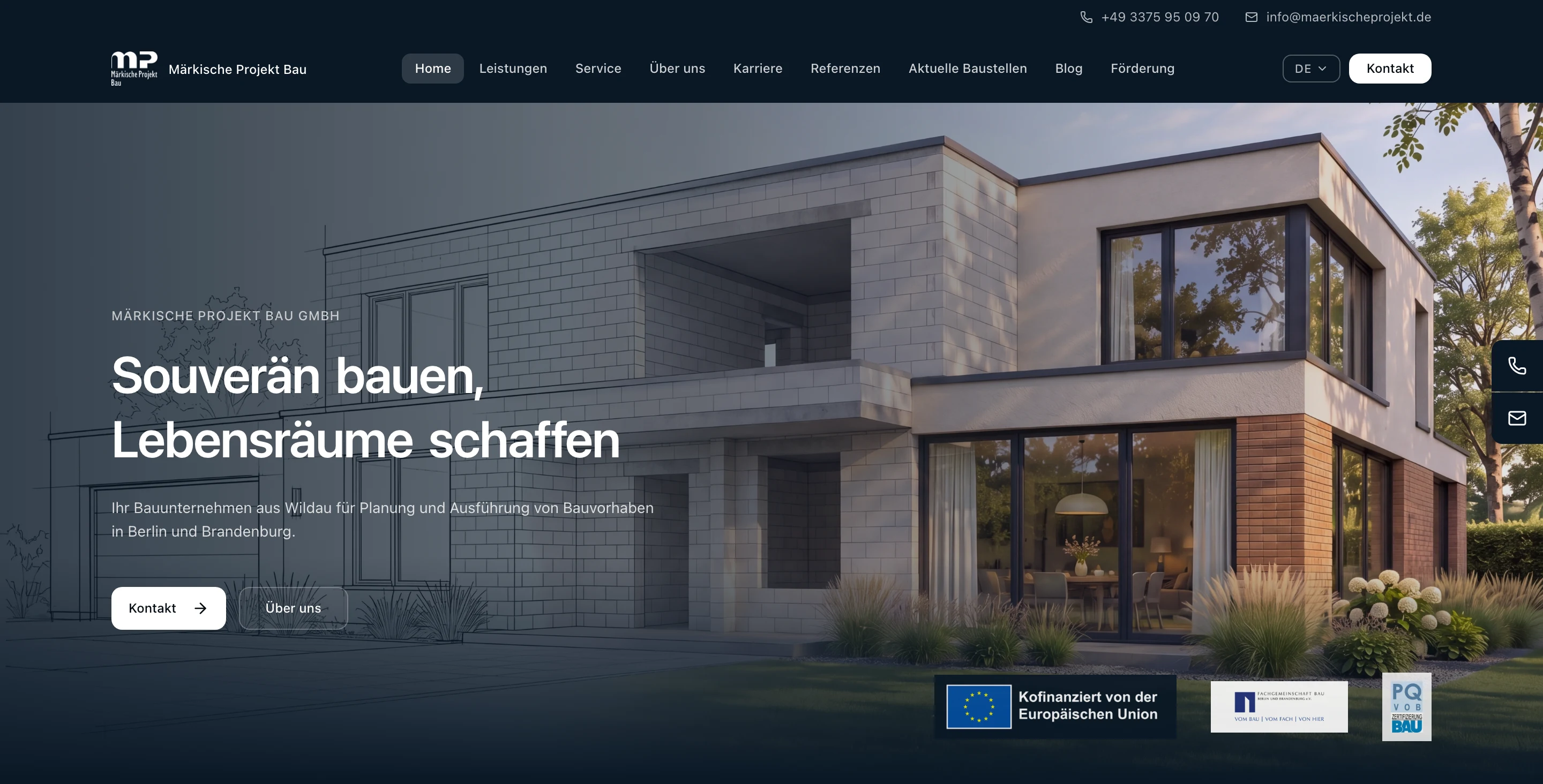
 Märkische Projekt BauRead the case study
What you get
Build focus
- Full content and branding migration
- Next.js static generation with a 90+ PageSpeed target
- Global CDN deployment on Vercel
- SEO preservation and redirects
- Contact forms and integrations
- AI-assisted content editing support
Included
- A Next.js rebuild of your site, built to a 90+ PageSpeed score target
- A redirect map that carries your existing rankings through the switch
- An editing workflow your team can use without touching code
- Documentation for the new stack, written for the person who maintains it
- Post-launch support while the new site settles in
The service deck as a PDF
The compact PDF for this service: starting point, approach, scope, and next step on three pages.
Get the deck by email
Enter your email address and the PDF lands in your inbox.
Frequently Asked Questions
- Will I lose my SEO rankings during migration?
- Migration risk is reduced with URL mapping, 301 redirects, metadata preservation, sitemap review, performance checks, and post-launch monitoring. Rankings can still move during a migration, so the cutover is planned carefully.
- Can I keep my WordPress content workflow?
- Yes. Your site can connect to a headless CMS that feels similar to WordPress but serves content through Next.js. You keep the familiar editing experience with dramatically better frontend performance.
- How long does a typical migration take?
- Simple brochure sites: 2-3 weeks. E-commerce or complex sites with custom plugins: 4-6 weeks. Both sites run in parallel during migration, with the cutover planned to minimize downtime.
- What happens to my WordPress plugins?
- Each plugin is audited and replaced with a modern equivalent. Contact forms become API routes, SEO plugins become built-in Next.js metadata, analytics move to PostHog or GA4, and caching becomes unnecessary with static generation.
- What does the first week of a migration actually look like?
- Day one is a full audit of your existing site: pages, plugins, SEO structure, and hosting costs. By day three, you see a working prototype in Next.js with your content and branding. The rest of week one is refinement, redirect mapping, and performance benchmarking. You're involved at every step, but you don't have to manage the process.
Related work
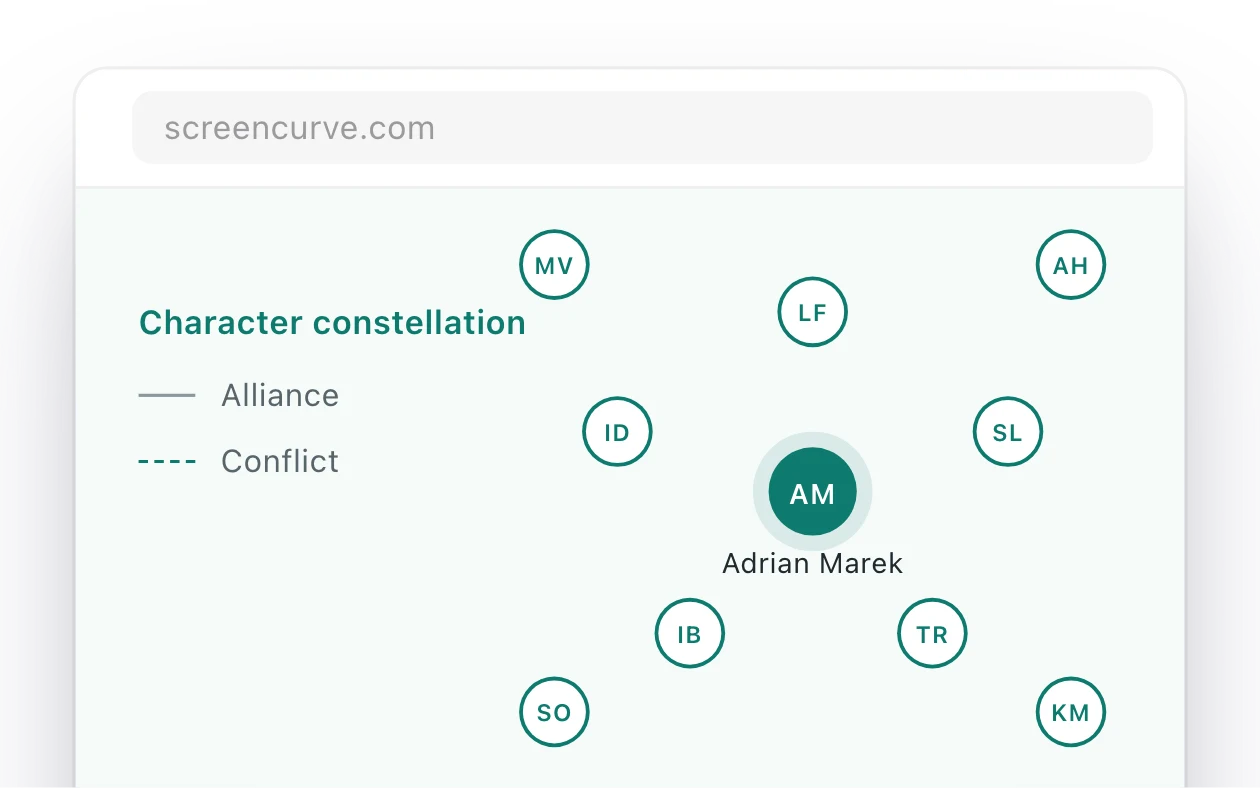
Screencurve: an app that watches an episode and writes its format bible
Screencurve analyses film and TV material and writes the format bible for an episode or a series. Every finding links to the timecode and frame it came from, so a producer can check it in the player.
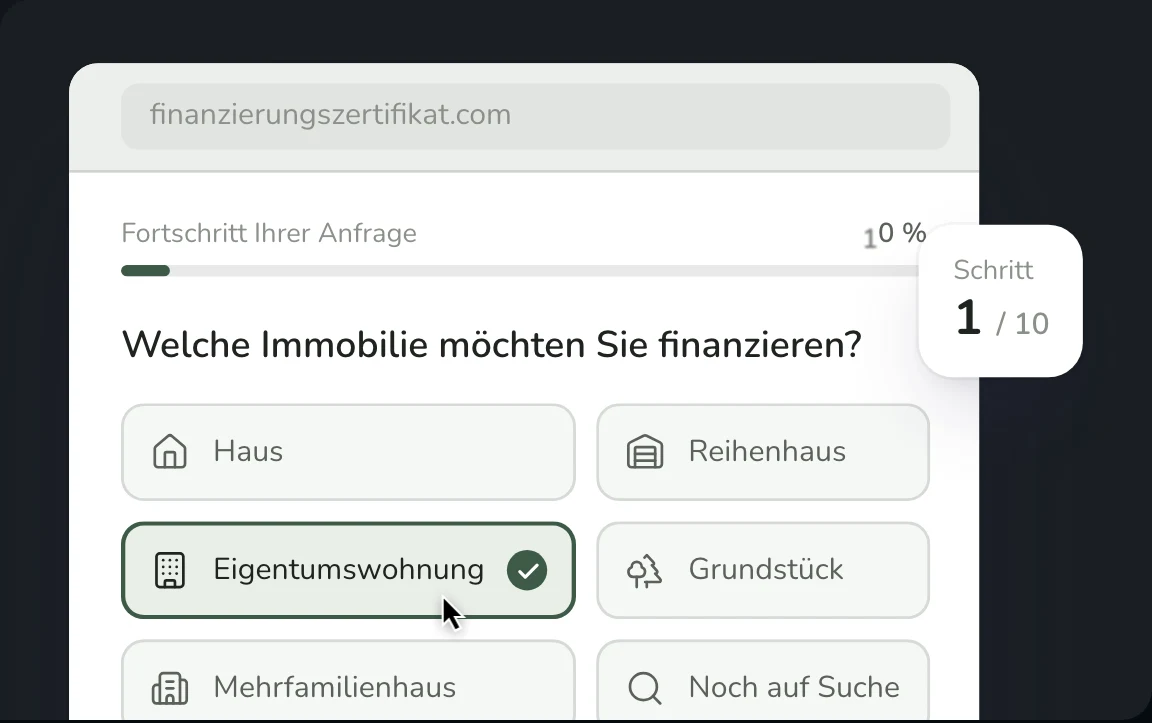
Financing Certificate Platform for a Berlin Real Estate Service
Full-stack platform with automated PDF certificates, 10-step financing form, and admin dashboard for finanzierungszertifikat.com, a real estate service helping property buyers prove their creditworthiness to agents and sellers in under 24 hours.
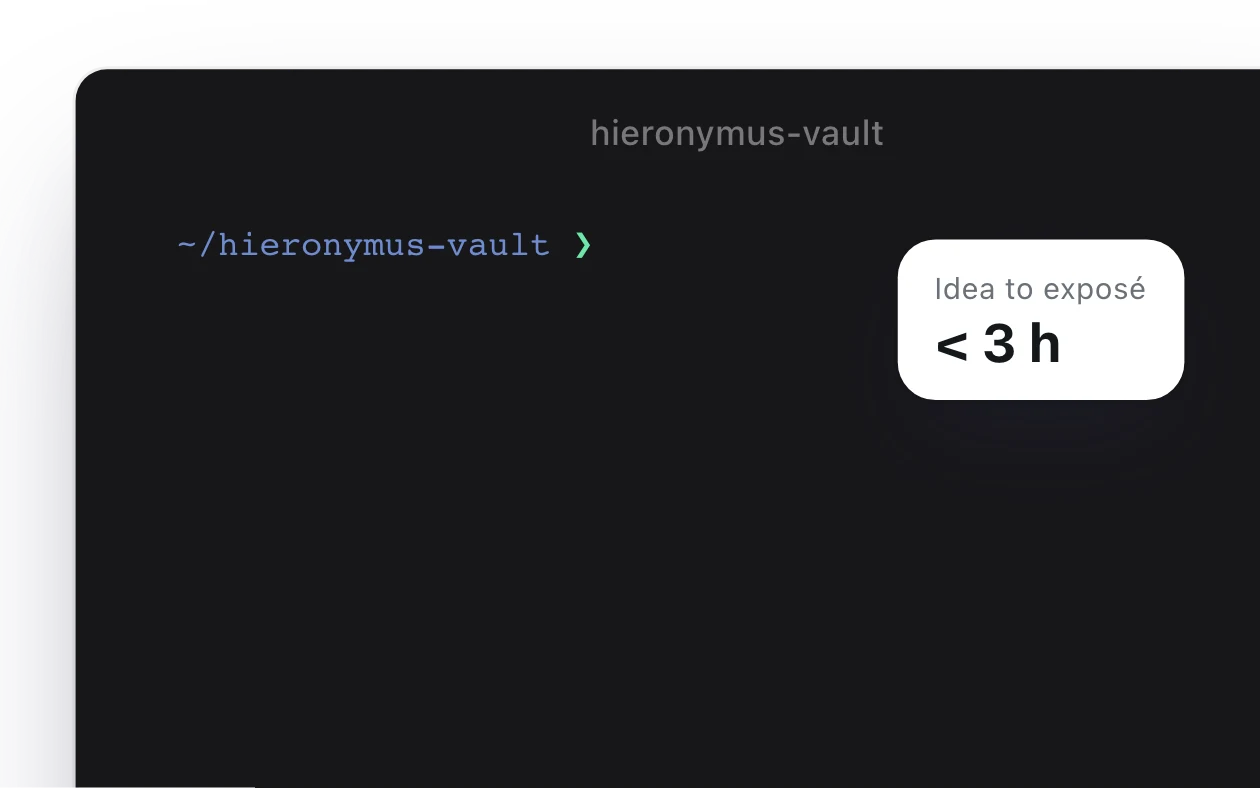
A Claude Code Research Studio for a Documentary Producer
A private AI research and writing studio for a documentary producer pitching to Germany's largest public broadcasters. Hieronymus Vault combines an Obsidian-native knowledge base, a versioned stylometric corpus, custom Claude Code skills, and a multi-agent fan-out architecture. Idea to broadcaster-ready DOCX in under three hours. In his voice. Every claim source-traced.