Morrow
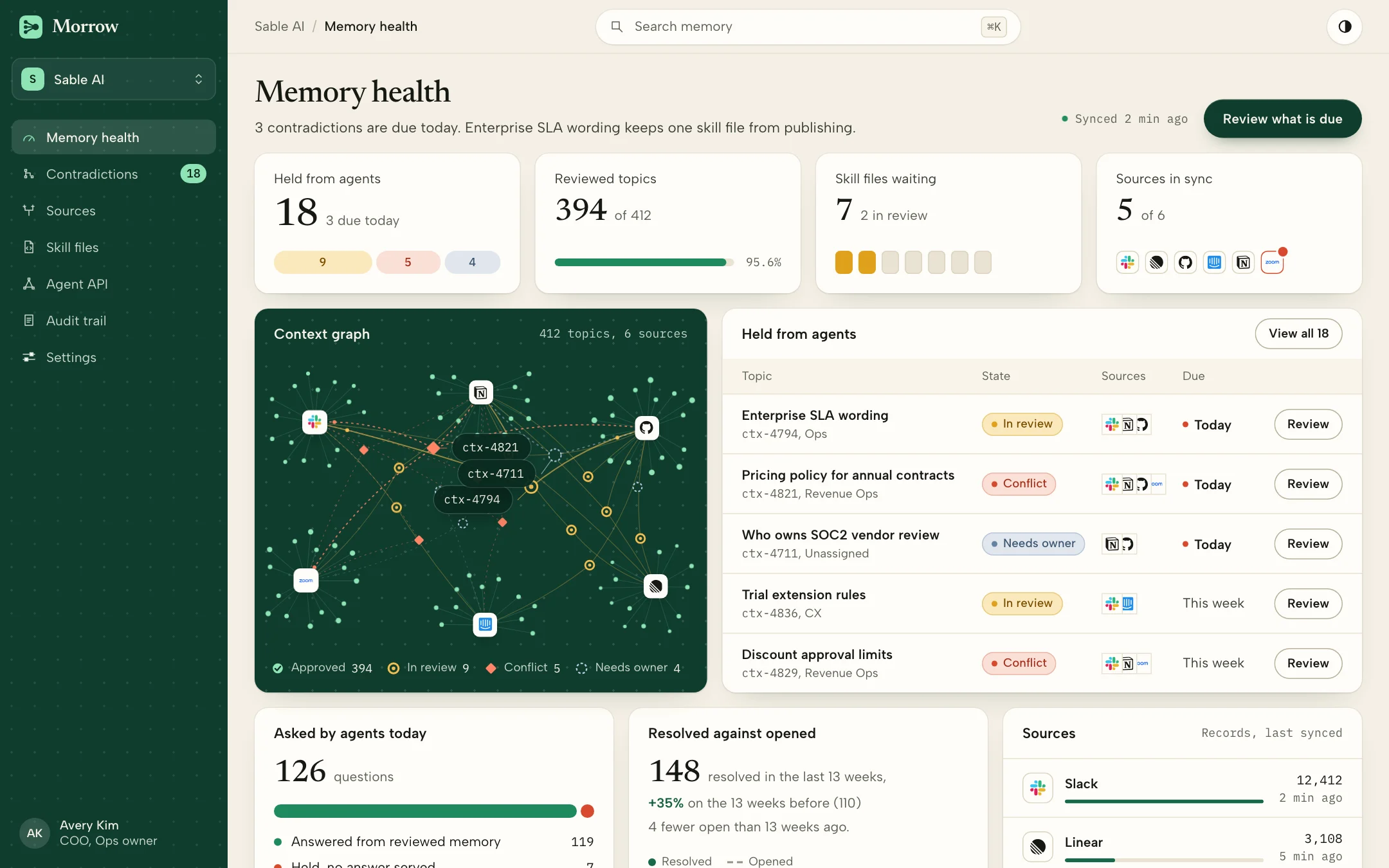
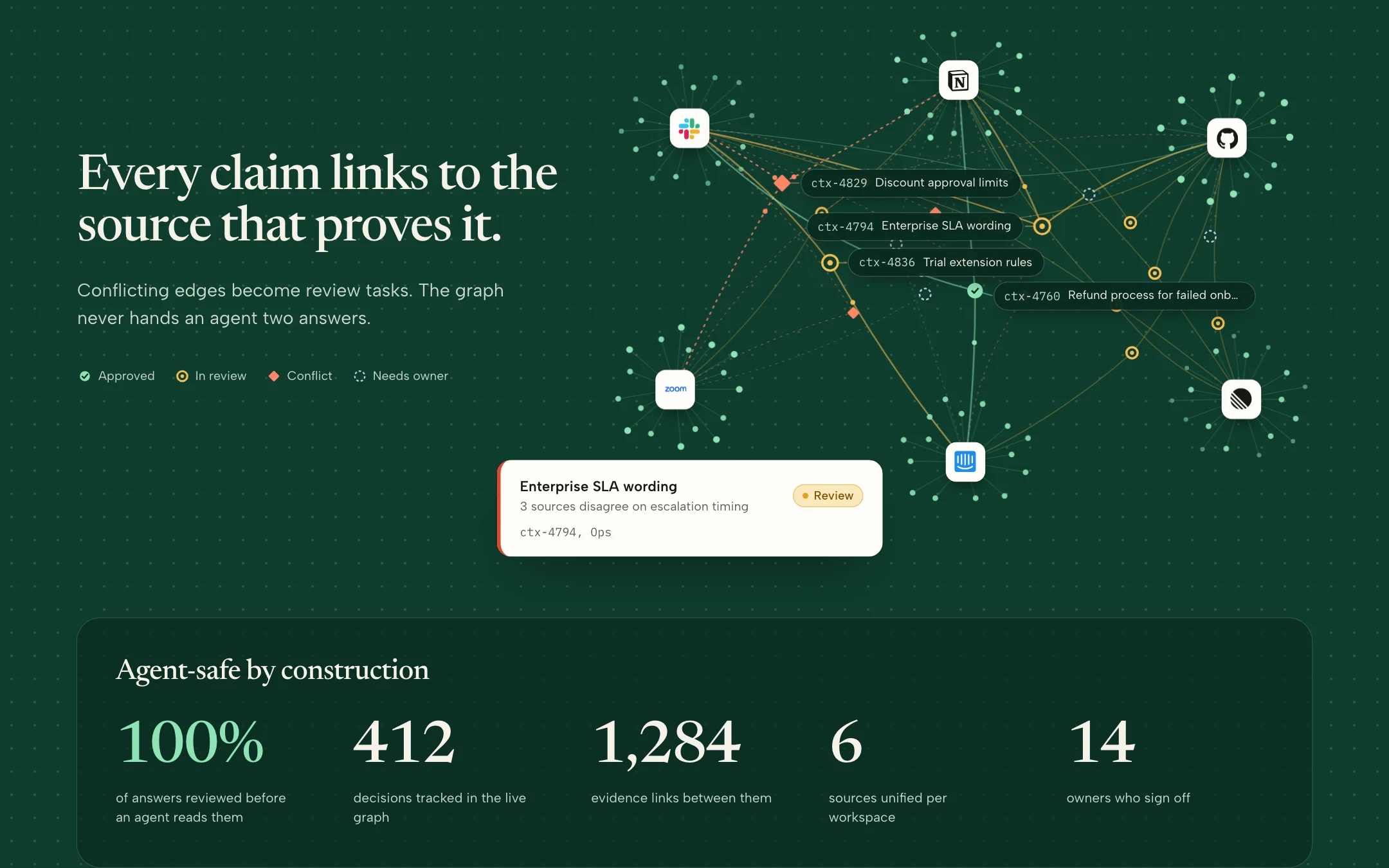
Built in-houseMorrow gives AI agents one reviewed answer to questions about how a company works. It reads Slack, Linear, GitHub, Notion, call transcripts and support tickets, finds where they contradict each other and asks the team that owns the topic which version is right. Agents get only approved answers, each with the sources behind it.
- Industry
- AI Agents / Company Memory
- Location
- Berlin, Germany
- Duration
- 1 week
The Challenge
A company's rules live in Slack threads, calls, tickets, docs and pull requests, and these sources drift apart. One thread says priority accounts get a reply within four hours. The terms in Notion still say next business day. An agent that searches finds both. It then asks a person or passes one version on as fact. Nobody owns the answer, and nobody knows which sources are out of date.
The Solution
Morrow connects to six kinds of source: Slack, Linear, GitHub, Notion, call transcripts and support tickets. It reads them and links every decision to the message, document or commit it came from. Each source carries the time of its last sync, so Morrow can tell when a claim is stale. Morrow then flags sources that contradict each other, rules that are out of date and topics that nobody owns. Each one becomes a review task with the evidence attached. The team that owns the topic, for example Ops or Security, picks the right version and approves it. Until then, an agent that asks about the topic gets no answer and is sent to that team. An approved answer becomes a skill file that tells an agent when to use the answer and what evidence it needs. Agents fetch answers and skill files through an API or as an MCP tool, and every response states its review status and its sources. If an agent asks a question that has no reviewed answer, Morrow adds it to the review queue. An audit trail records who approved or changed what.
Project details
Tech Stack
Next.js, React, TypeScript, Tailwind CSS, Turborepo, Vercel
More Case Studies
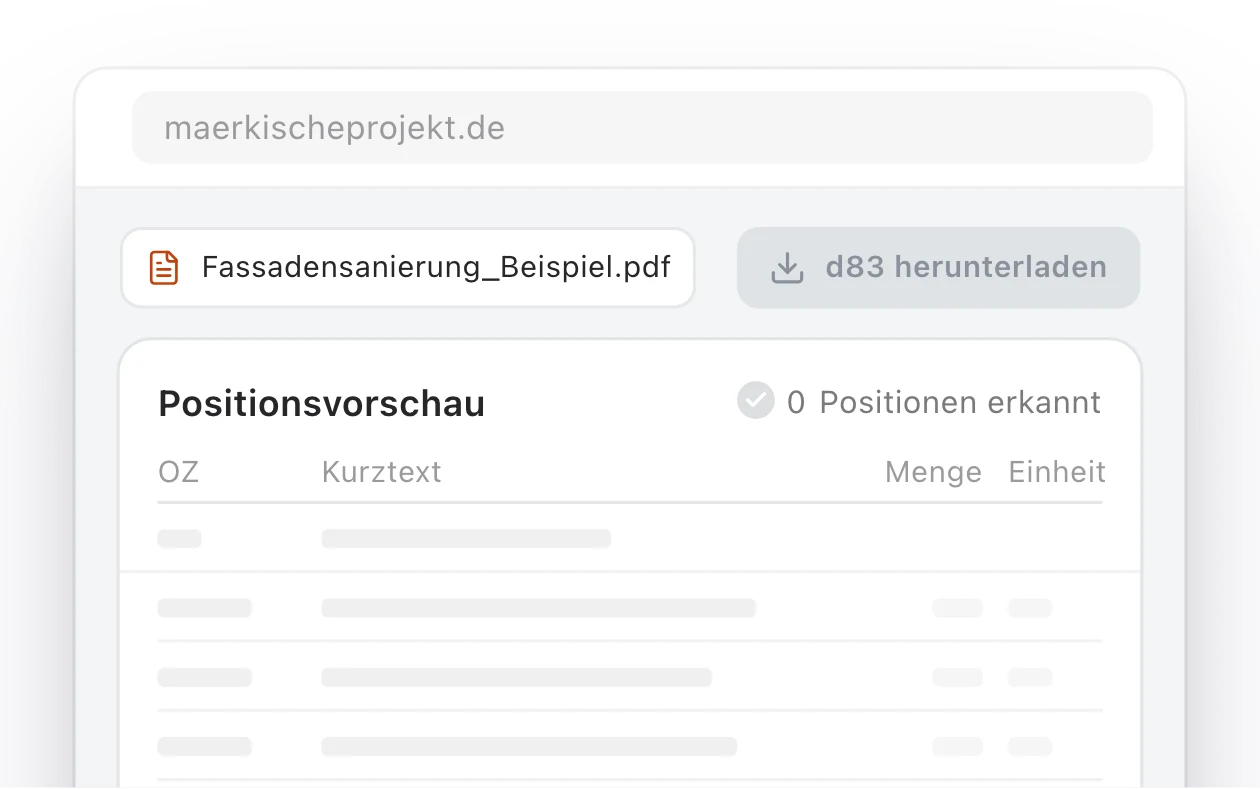
Märkische Projekt Bau: a relaunched website and in-house AI portal for a Brandenburg construction firm
How an outdated website became a modern web platform for Märkische Projekt Bau, and then grew into an internal AI portal that converts tender documents into GAEB files and calculates quantity takeoffs from construction plans.
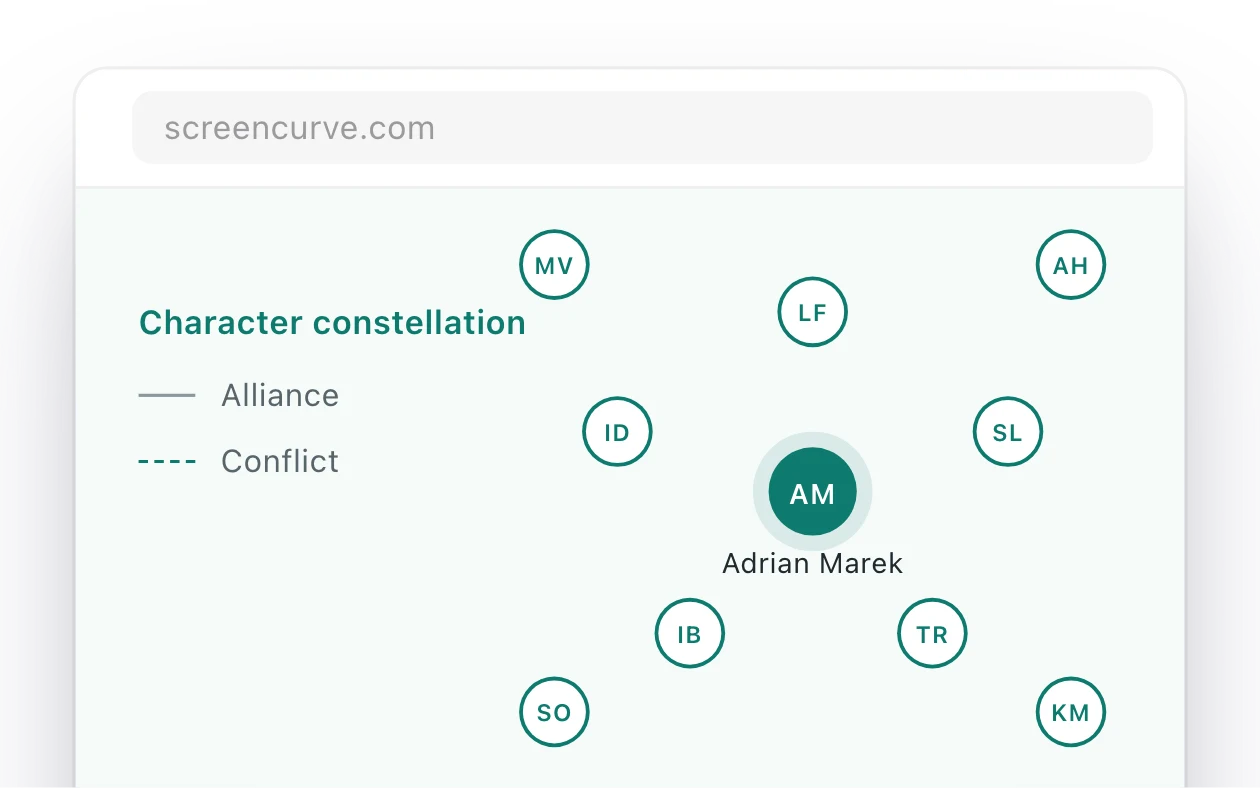
Screencurve: an app that watches an episode and writes its format bible
Screencurve analyses film and TV material and writes the format bible for an episode or a series. Every finding links to the timecode and frame it came from, so a producer can check it in the player.
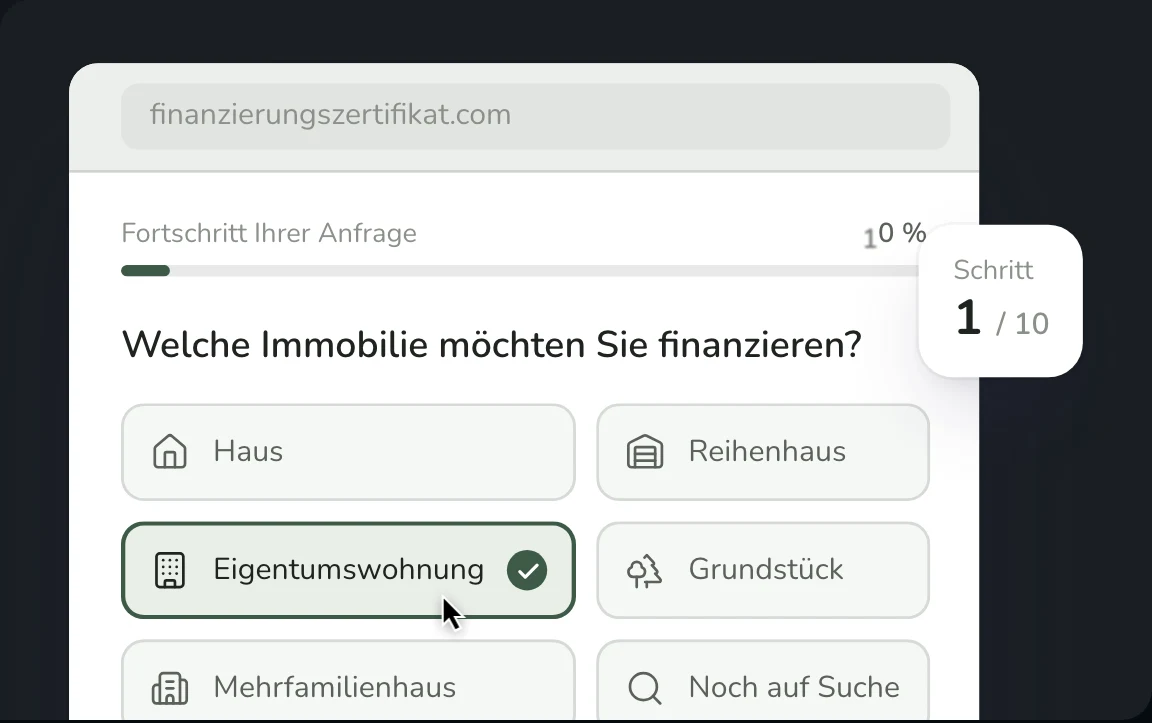
Financing Certificate Platform for a Berlin Real Estate Service
Full-stack platform with automated PDF certificates, 10-step financing form, and admin dashboard for finanzierungszertifikat.com, a real estate service helping property buyers prove their creditworthiness to agents and sellers in under 24 hours.