Company brain systems
Knowledge and memory systems for reusable decisions, documents, project context, and rules.
Book a discovery call- Engagement
- Estimated after discovery
- Timeline
- Phased after discovery
When this is the right step
The same question always goes to the same person
How something was decided is known to one colleague. When that person is away, the answer is written nowhere.
Decisions disappear in chat
What is agreed in Slack, emails and calls cannot be found later. Documents and rules contradict each other.
AI answers without your context
An assistant knows neither your rules nor your latest decisions. Its answers sound right and cannot be checked.
What changes for your team
- People find the current answer without asking the same person again
- Decisions and source material stay connected instead of disappearing into chat
- AI answers become reviewable because sources, gaps, and uncertainty are visible
- The knowledge system improves as the team uses it
The Approach
The work starts by mapping where knowledge lives, who can trust it, who can change it, and what decisions it should support. From there, the memory model, retrieval flow, review process, and interface are built around the way your team actually asks questions and uses context.
The Outcome
Your team gets a maintained source of operational memory instead of scattered documents, stale chat threads, and one-off AI answers nobody can verify.

 Rautenberg Pitch EngineRead the case study
What you get
Build focus
- Knowledge bases that combine documents, notes, records, and structured context.
- Retrieval workflows grounded in approved sources and permissions.
- Decision memory for project history, operating rules, and recurring judgement calls.
- Review queues for improving, approving, or retiring knowledge.
- Assistant interfaces that cite sources and keep uncertainty visible.
- Evaluation checks for retrieval quality, freshness, and answer reliability.
Included
- Source inventory and permission model.
- Document ingestion, cleanup, and metadata structure.
- Search and retrieval interface for team workflows.
- Review, approval, and stale-content handling.
- Assistant layer with citations, confidence signals, and fallback states.
- Monitoring for usage, gaps, and recurring unanswered questions.
The service deck as a PDF
The compact PDF for this service: starting point, approach, scope, and next step on three pages.
Get the deck by email
Enter your email address and the PDF lands in your inbox.
Frequently Asked Questions
- Is this just a chatbot over our documents?
- No. A useful company brain needs source structure, permissions, review workflows, retrieval evaluation, and a clear operating model. The assistant is only one interface on top of that system.
- Can it respect private or role-based knowledge?
- Yes. Permissions and source boundaries are built into the plan, so users only retrieve the knowledge they are allowed to see.
- How do you keep the knowledge from going stale?
- The system can include ownership, review states, stale-content signals, update workflows, and analytics that show which questions are not answered well yet.
Related work
Hyyve: Shared Memory for Teams and Their AI Agents
The landing page for Hyyve, a shared memory layer that turns scattered work into answers people and AI agents can trust. webvise built the launch site and is building the MVP and supporting the launch along the way.
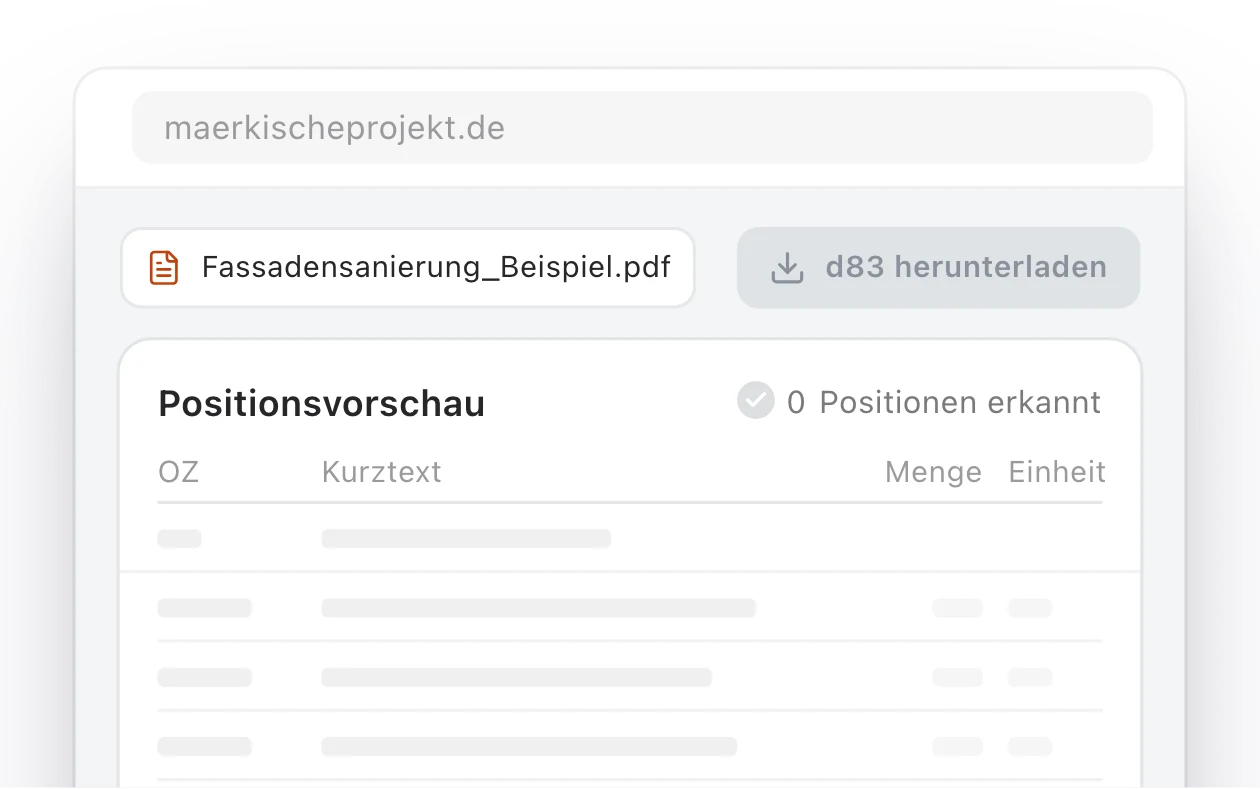
Märkische Projekt Bau: a relaunched website and in-house AI portal for a Brandenburg construction firm
How an outdated website became a modern web platform for Märkische Projekt Bau, and then grew into an internal AI portal that converts tender documents into GAEB files and calculates quantity takeoffs from construction plans.
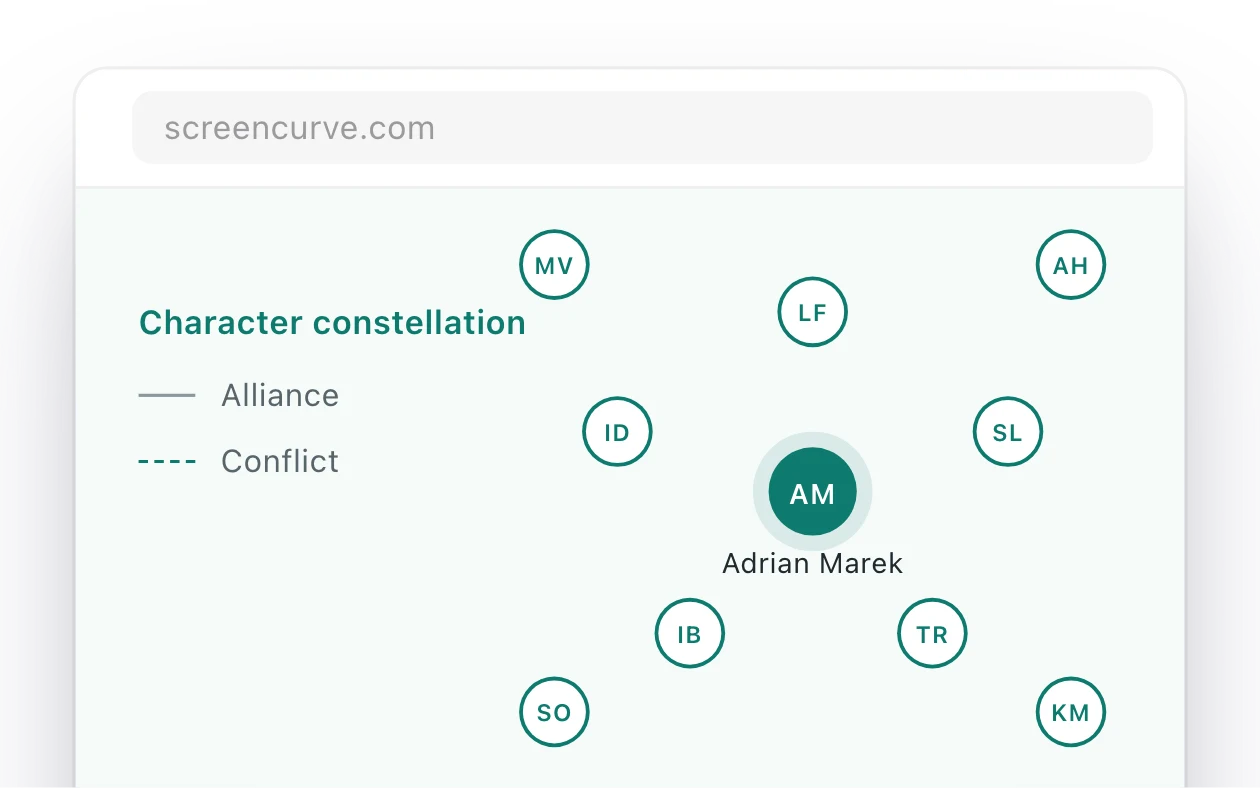
Screencurve: an app that watches an episode and writes its format bible
Screencurve analyses film and TV material and writes the format bible for an episode or a series. Every finding links to the timecode and frame it came from, so a producer can check it in the player.